Deaf & Blind Children's Bill of Rights
Bill of Rights for Deaf Children
- Deaf children are born with the same ability to acquire language as any other children and deserve the same chance to acquire language.
- Deaf children have the right and the capacity to be educated, to graduate high school, to obtain further education, and to pursue a career.
- To achieve this essential goal, all families of deaf children have the right to appropriate early intervention services as well as quality family educational services. These families have the right to accurate and comprehensive information, including access to state resources to help their deaf children reach their full potential.
- Deaf children have the right to acquire both English and American Sign Language (a natural visual language). Deaf children can acquire both of these languages simultaneously, with the support of intervention services prior to entering school and reinforced within the school system.
- Deaf children can fully access education and society. This means every deaf child must have full access to all information, specialized personnel, school programs, social activities, and extra-curricular activities. Communication skills and/or modes by themselves do not equate to language proficiency.
- Deaf children have the right to qualified professionals proficient in developing the child’s acquisition of language throughout the early intervention and school years. To ensure this right is fully protected, deaf children must be assessed on a regular basis by qualified language acquisition professionals.
- Deaf children require settings that utilize a critical mass of language peers to ensure age-appropriate development of learning, emotional and social skills. Deaf children require interaction with deaf adult role models to internalize their self-worth and visualize their potential.
- Deaf children have the right to succeed.
Bill of Rights for Children with Visual Impairments
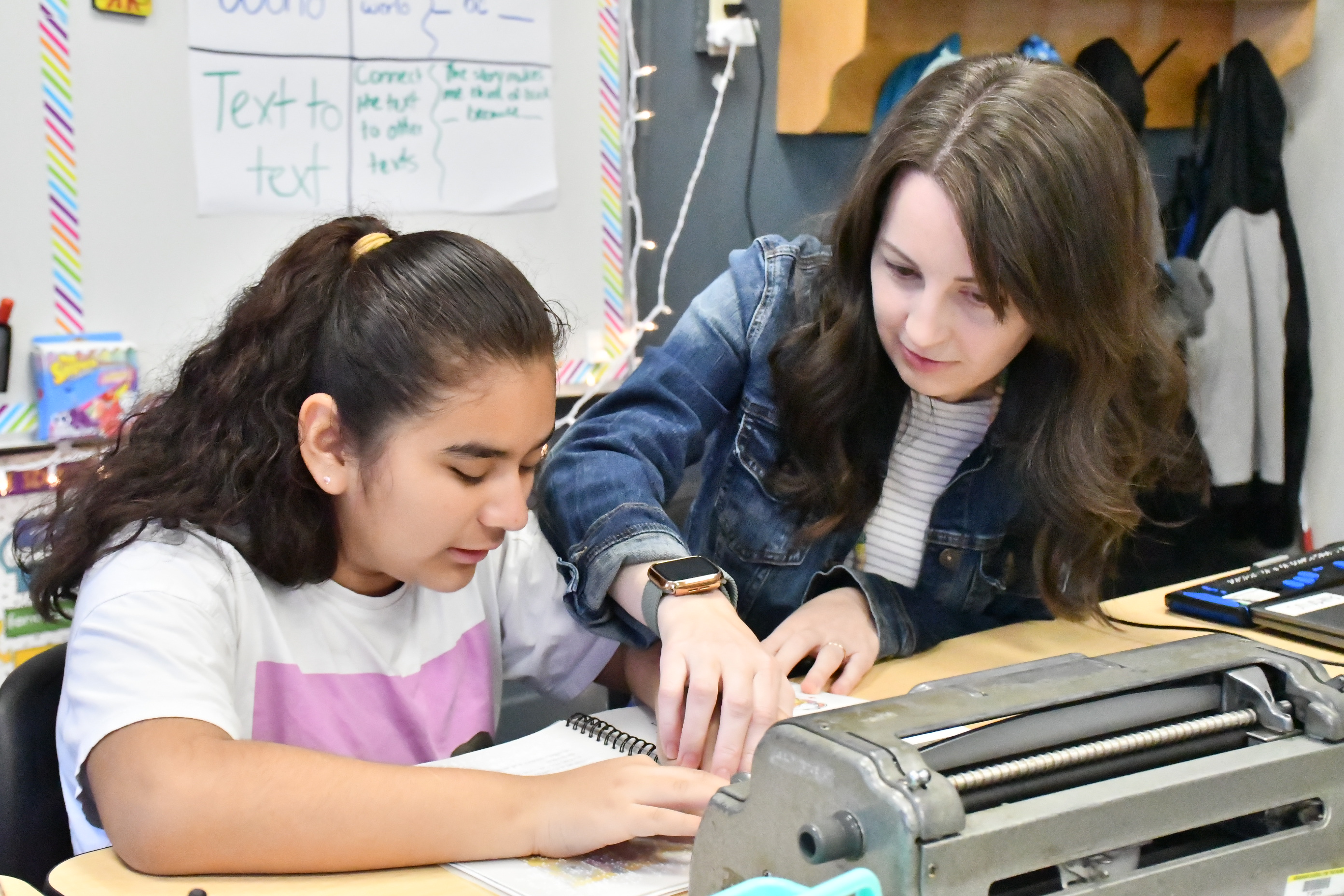
- Children with all levels of visual impairment (including those with multiple disabilities and those who are DeafBlind) have a right to early intervention/instruction provided by highly trained and qualified teachers of students with visual impairment and certified orientation and mobility specialists, that is timely, ambitious, and results in the highest possible achievement for each child
- Children with visual impairment have the right to a functional vision evaluation and a learning media assessment by highly trained and qualified teachers of students with visual impairment to determine appropriate services following the initial clinical eye exam.
- Parents/guardians of children with visual impairment have the right to assistance in interpreting the educational implications of the diagnosed visual impairment that is provided by highly trained and qualified teachers of students with visual impairment and certified mobility specialists and the right to seek assistance from regional/national agencies (including consumer advocacy organizations) that can help them make informed decisions on behalf of their child.
- As required in the Individuals with Disabilities Education Act “in the case of a child who is blind or visually impaired, the Individualized Education Program (IEP) Team must provide for instruction in braille and the use of braille unless the IEP Team determines, after an evaluation of the child’s reading and writing skills, needs, and appropriate reading and writing media (including an evaluation of the child’s future needs for instruction in braille or the use of braille), that instruction in braille or the use of braille is not appropriate for the child.” Appropriate reading and writing media are determined by conducting a learning media assessment.
- Children and families have the right to be fully informed about the “Expanded Core Curriculum” of skills unique to students with visual impairment, which includes: compensatory skills, orientation and mobility, social interaction skills, independent living skills, recreation and leisure skills, career education, assistive technology, sensory efficiency skills, and self-determination.
- Children have the right to assessment and instruction, in school and in their communities, in every area of the Expanded Core Curriculum that is deemed appropriate by the educational team and includes the parents/guardians as the primary decision makers and includes the student when appropriate. The Expanded Core Curriculum is equal in importance to the standard academic curriculum and will not be overlooked in the educational plan.
- Children have the right to receive school materials that are accessible, in the preferred format and at the same time as their sighted peers. Children have an absolute right to testing procedures and instruments that are fair and accessible, that take into consideration the results of the functional vision evaluation, and include all accommodations identified in the IEP.
- It is the right of children and families for a full range of educational placement settings to be discussed at IEP meetings, including the variety of unique programs and options offered in specialized schools/services for children who are visually impaired. A specialized school may offer the best opportunity for achievement and be the “least restrictive environment” for some children
- All children with visual impairment have the right to teams that enthusiastically assist them in preparing for transition to independence and adulthood.
- Children with visual impairment, including those with multiple disabilities and DeafBlindness, have the right to be perceived and treated as equal, active, and contributing members of their communities, classrooms, and schools. As with all children, their engagement through belonging increases the collective value of each setting within which they participate.